











Finding the best mobile app development companies in 2026 should be simple, but the directories hand you a phone book, not a shortlist. Search “mobile app development company” and DesignRush lists over 10,700 firms, TechBehemoths more than 14,000, and Clutch keeps a running global index that grows every quarter. The pressure to choose well is real: eMarketer reports that US consumers spend close to four times longer in mobile apps than on the mobile web, so for most products the app is the main place customers show up.
Picking the right build partner is harder than picking the framework. A directory ranking sorted by review count tells you who paid for placement, not who will ship a maintainable iOS and Android app on your timeline. This article does the filtering instead. You get a comparison table, ten companies profiled with real portfolio work, honest pros and cons, and a section on how to weigh them against your own project.
The best mobile app development company is the one whose strengths line up with your platform, your budget, and your vertical, not the one with the longest client logo wall.
Jump to a company:
- Fingoweb
- Miquido
- Netguru
- Droids On Roids
- Goji Labs
- Rocket Farm Studios
- Merixstudio
- Applandeo
- LeanCode
- 3 Sided Cube
What the mobile development market looks like in 2026?
Before the shortlist, a quick map of the ground, because the type of firm you need depends on where your project sits.
The first fork is the framework. Native builds, Swift for iOS and Kotlin for Android, still win on raw performance and deep platform access, but they mean two codebases and two teams. Cross-platform has closed most of that gap, and the two names that matter are React Native and Flutter.
React Native, backed by Meta, has the wider talent pool and slots straight into any team already working in JavaScript and React, which is why it stays the pragmatic default for most products, especially when the same codebase should reach web too.
Flutter, Google’s Dart-based framework, has grown fast and suits graphics-heavy interfaces with heavy custom animation. For most builds the honest default is one React Native codebase, with native reserved for the performance edge cases and Flutter for design-led products where a single rendering engine earns its keep.
The second fork is geography, and it shapes both price and how a project runs day to day.
- US and UK studios bring full timezone alignment for local clients and premium rates to match, often $150 or more per hour.
- India and Southeast Asia offer the lowest headline rates, with the trade-off usually showing up in timezone gaps and communication overhead.
- European nearshore has become the middle path: engineering on par with Western agencies, transparent pricing well below US rates, and enough working-hour overlap to keep momentum with UK and US teams.
That last group is why this list leans European. Seven of the ten mobile app development companies below are based in Poland or the UK, with two US studios kept in as benchmarks so you can see the rate difference for comparable work.
How we picked the top mobile app development companies?
Directory rankings sort by star rating or headcount. Neither tells you much when you are handing someone your product, so the criteria used to compare these mobile app development companies are different, and each profile names where a firm is weak, not just where it shines.
- Mobile-specific depth – native iOS and Android skill plus real React Native experience (or Flutter where the product calls for it), not a web shop stretching into mobile for a quarter.
- Design under the same roof – whether UI/UX sits inside the team or gets subcontracted. A handoff between a design vendor and a dev vendor is where UX intent goes to die.
- Post-launch support – a structured maintenance model, not a best-effort favour once the invoice clears. This is where most engagements quietly fall apart.
- Pricing transparency – firms that state a rate band and how they scope, instead of hiding it behind a discovery call.
- Vertical experience – fintech, healthcare, retail, and logistics each carry their own compliance and integration baggage.
One thing worth flagging upfront: not every strong engineering team keeps a strong visual portfolio. Some of the firms below have rich, public Dribbble and Behance galleries you can browse before you call them; others are engineering-first and show their work through case studies or open-source contributions instead. Both models produce good apps. Where a firm has a public design portfolio, this guide points to it.
The best mobile app development companies in 2026
The profiles run in a considered order, but order here means fit and transparency, not a league table. A boutique US studio and a 400-person Polish agency solve different problems. Read each entry for what it is good at and where it is not the right call. Where noted, follow the portfolio link to see real screens before you shortlist.
1. Fingoweb
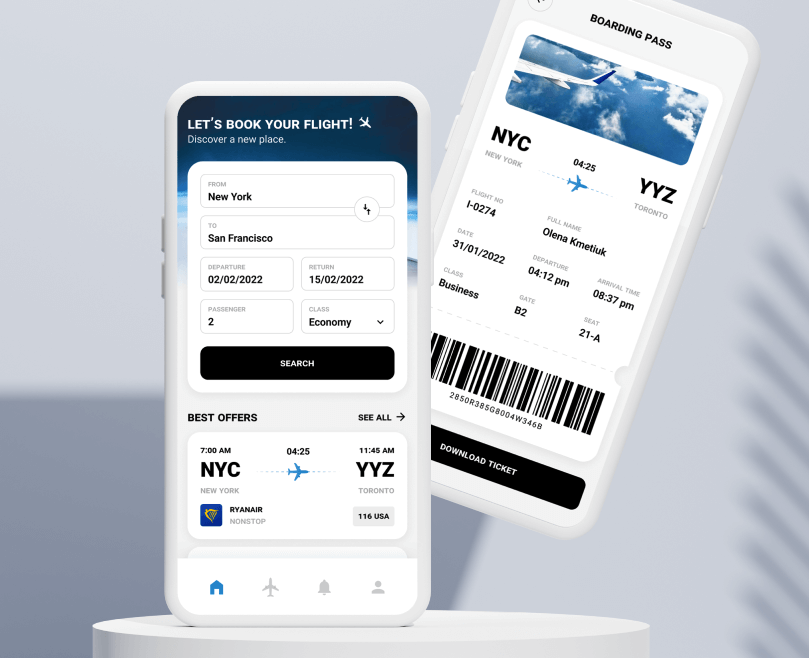
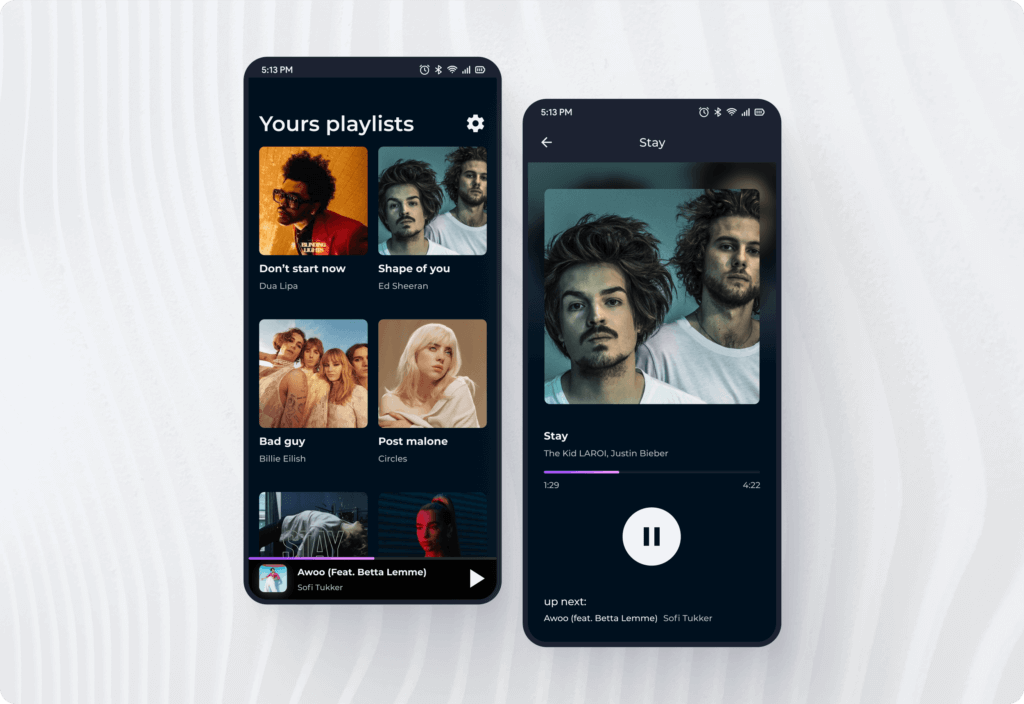
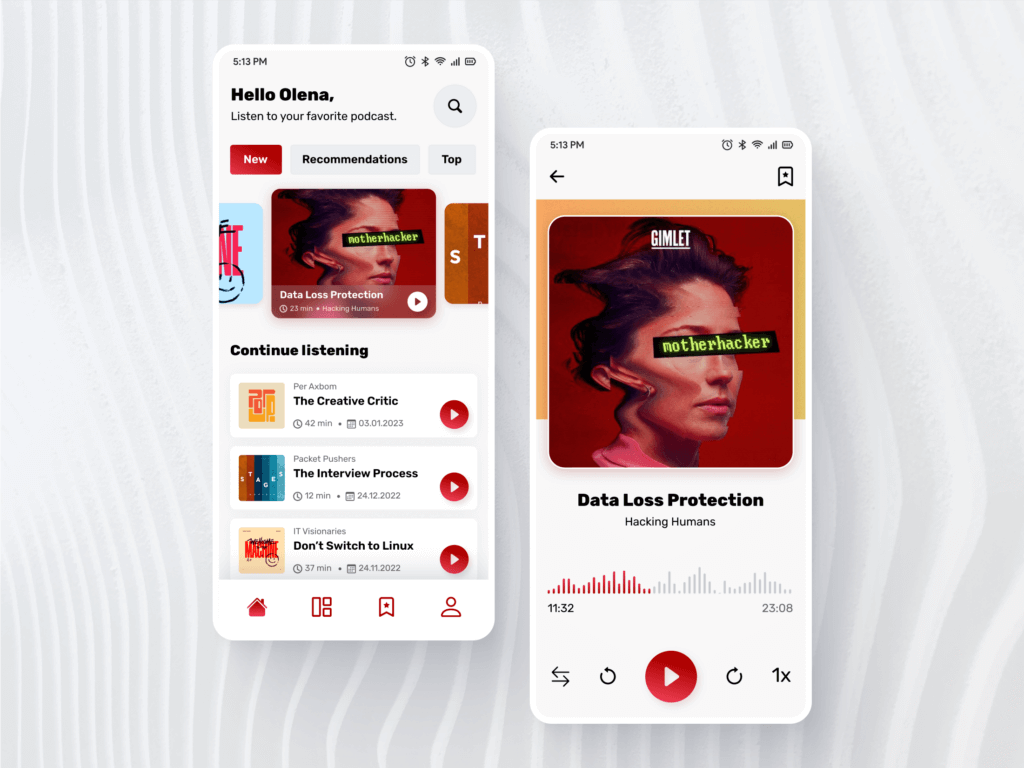
Fingoweb is a Kraków software house that builds custom mobile applications with the design and engineering teams working as one unit, not as separate vendors stitched together. For buyers outside Poland it sits in the European nearshore bracket: senior in-house developers, transparent pricing, and an overlap with both UK and US working hours that offshore arrangements rarely manage.
Industries: Culture & media, Entertainment, Retail & e-commerce, Fintech, EdTech, Travel, Health Care.
The mobile practice covers cross-platform mobile app development in React Native alongside native iOS and Android work, with mobile application design handled by the same team that ships the code. That matters more than it sounds. When designers and developers sit together, the interface you approve in Figma is the interface that gets built, instead of a watered-down version negotiated after the fact. Fingoweb’s React Native work is the default for clients who want one codebase across both platforms without giving up native-feeling performance.
Pros:
- Design and development in one team, so UX intent survives into the shipped product.
- Transparent pricing and a senior bench rather than a junior-heavy staffing model.
- European nearshore rates with timezone overlap for UK and US clients.
Cons:
- Smaller than the 200-plus-person agencies, so large parallel programmes need scoping.
- Not the right fit if you specifically need an India-based or fully US-based team for contractual reasons.
If you have a project that off-the-shelf tools cannot handle and you want one team owning design through launch, tell Fingoweb what you are building and they will scope it.
2. Miquido
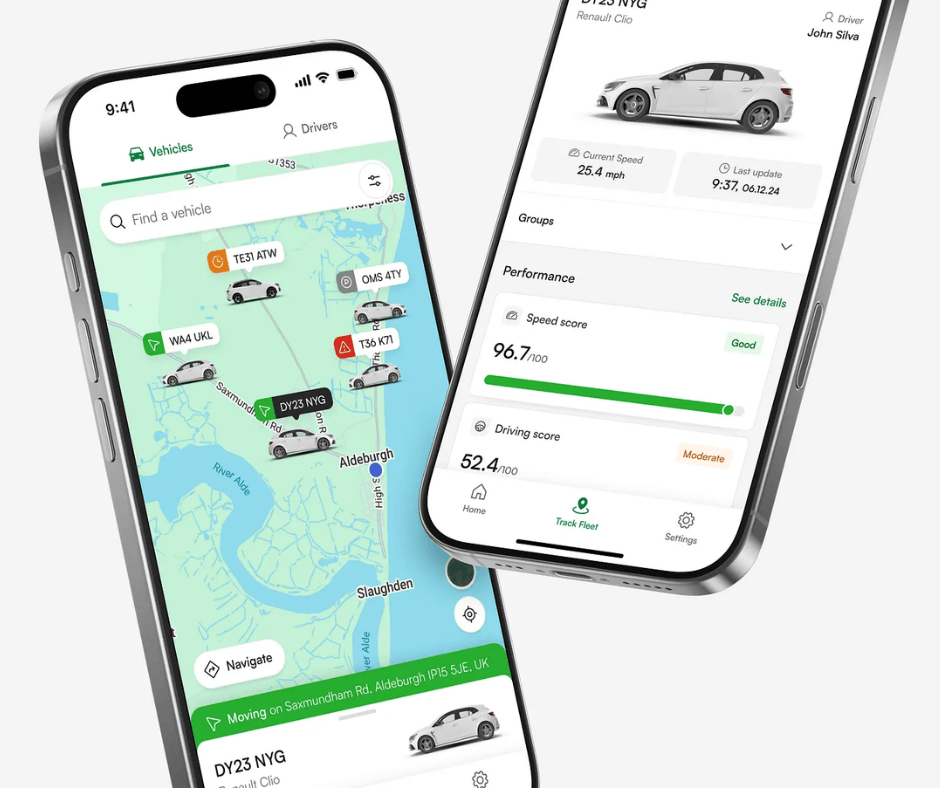
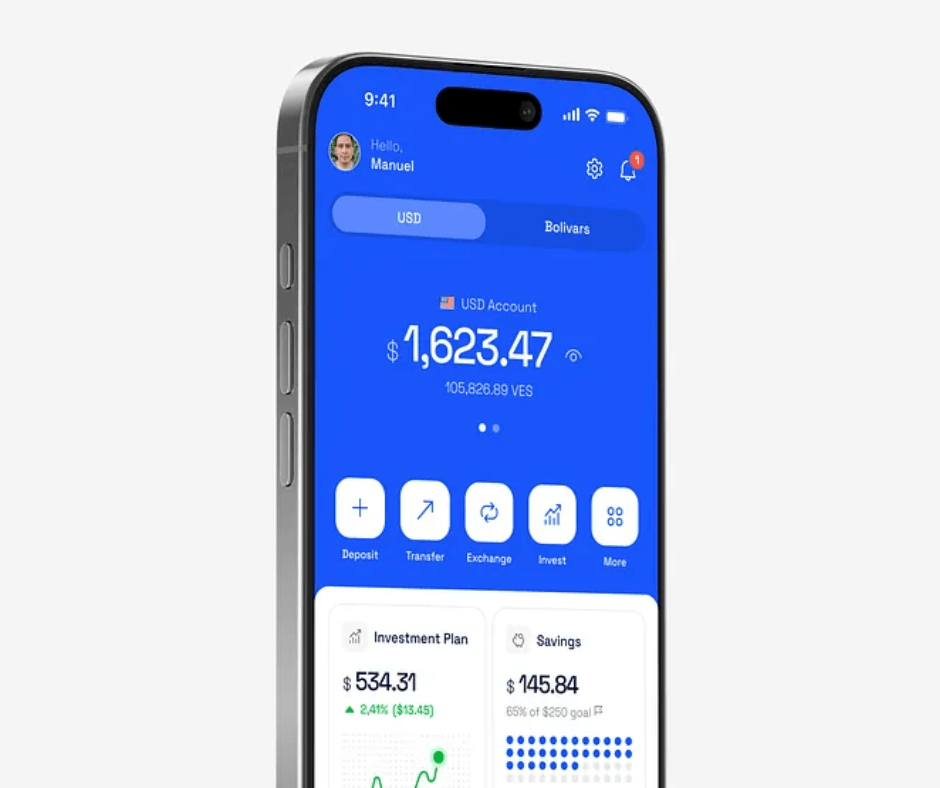
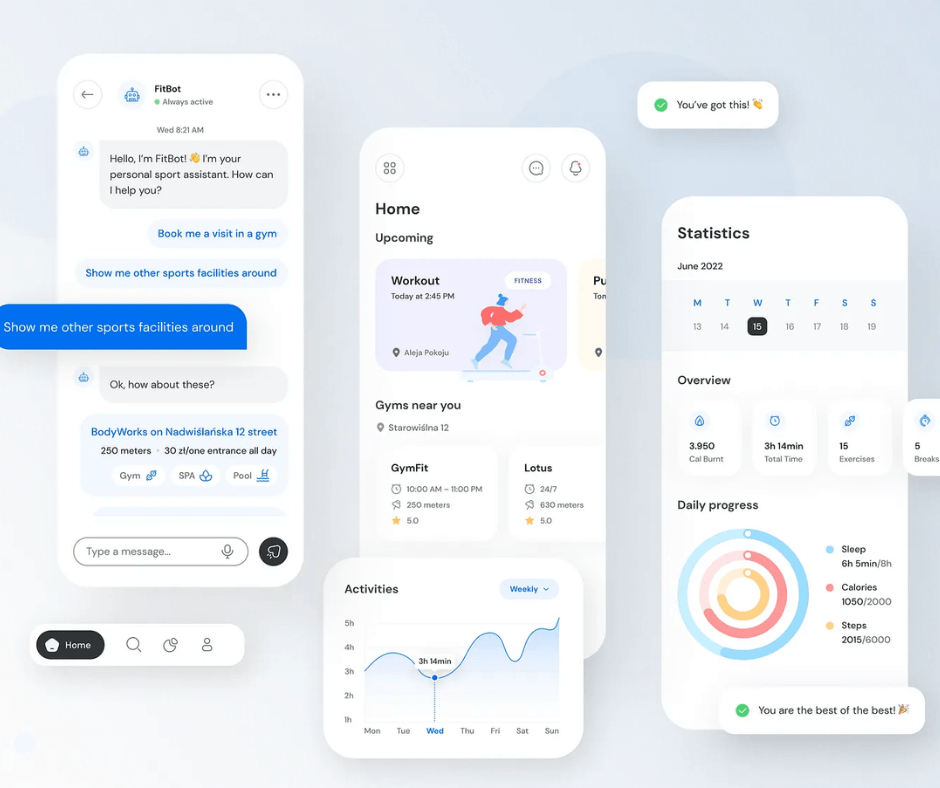
Miquido is probably the most internationally recognised Polish mobile brand, founded in Kraków in 2011 and now past 200 specialists. They have shipped for Skyscanner, LG, and Santander, which tells you they can carry enterprise-grade complexity without losing product speed. Their Flutter practice is mature, and they pair it with machine-learning consulting, so they are a strong call when an app needs both a polished UI and real data-science features underneath.
Industries: Fintech & banking, E-commerce, Healthcare, Entertainment & music, Manufacturing.
They invest heavily in design and will push back on a weak brief rather than just execute it. Notable work includes Nextbank, an AI lending system, and the banking app Shine.
Pros:
- Deep Flutter expertise plus in-house ML and data science.
- Track record with recognisable enterprise clients.
Cons:
- Premium positioning; not the cheapest option for a simple MVP.
- The breadth of services can be more than a small single-app project needs.
3. Netguru
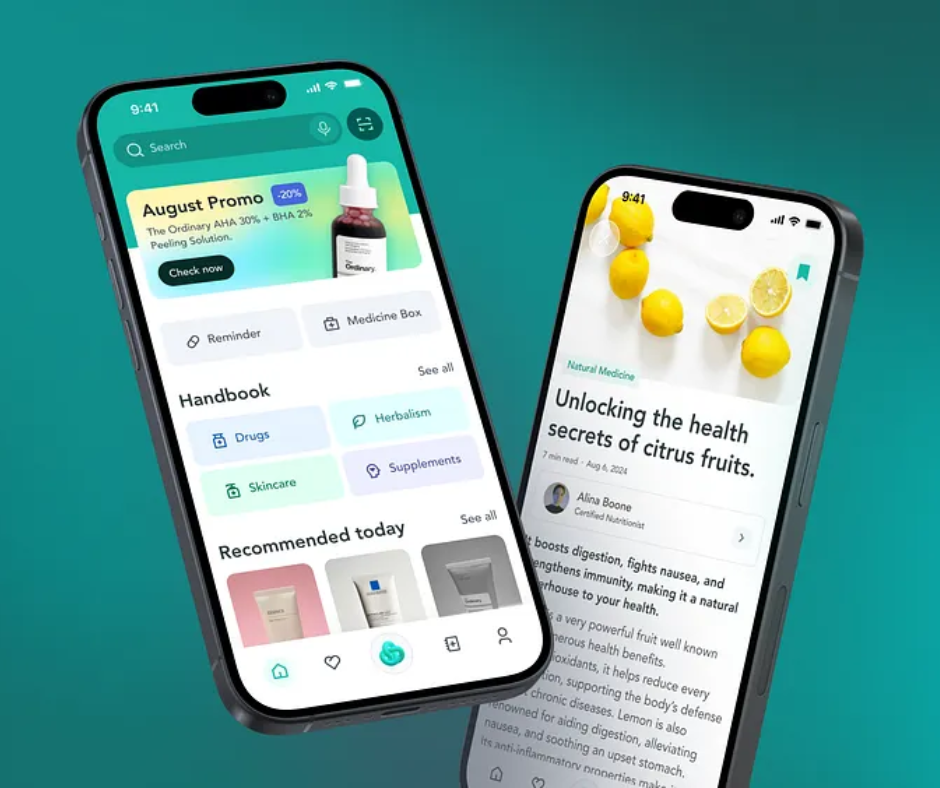
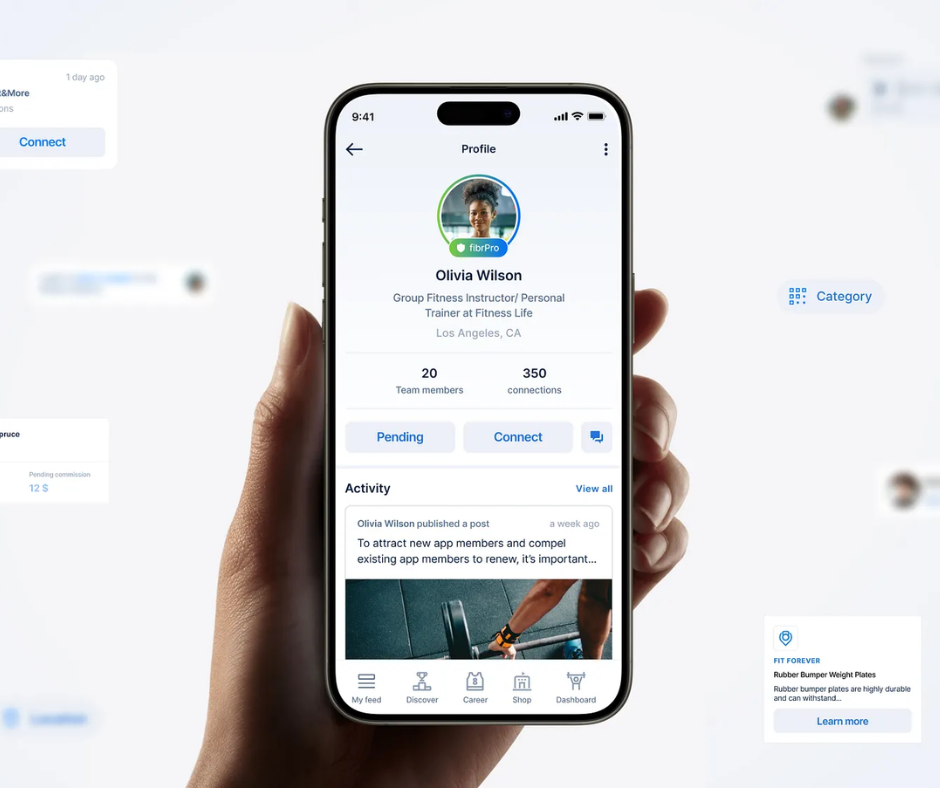
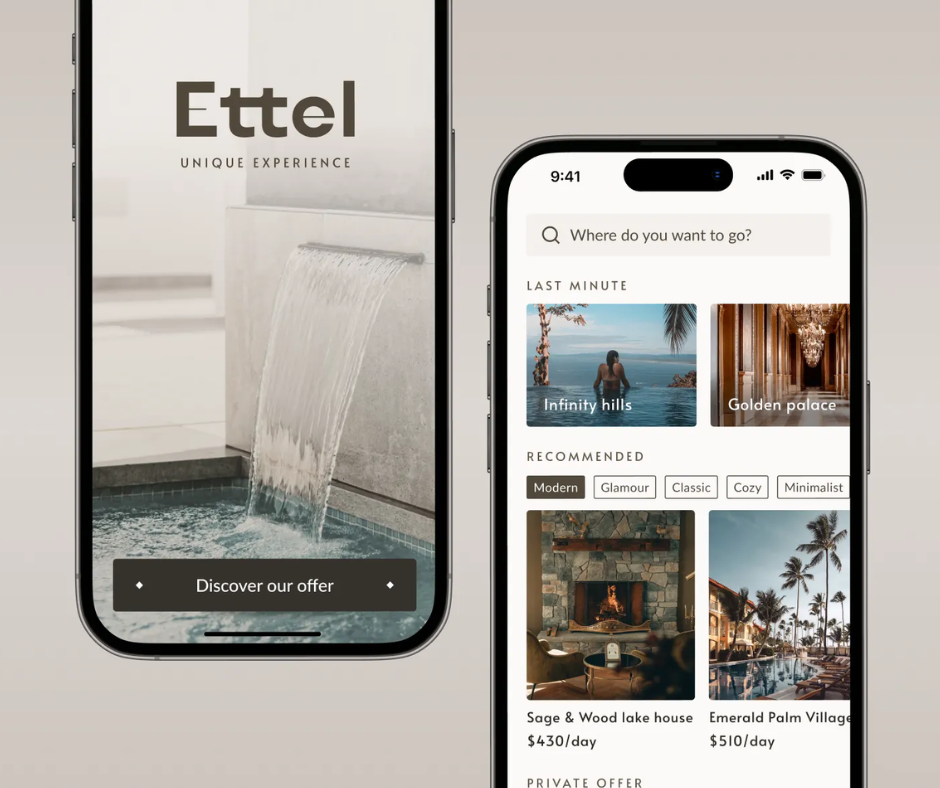
Netguru is one of the larger Polish product agencies, working mostly with funded startups and scale-ups that need to move quickly without sacrificing engineering quality. They run a full discovery-to-launch model and lean on React Native for cross-platform delivery, with native skills where a project demands them.
Industries: Fintech & banking, E-commerce, Healthcare, Proptech.
Their strength is process maturity. If you are a non-technical founder who needs a partner to bring product direction as well as execution capacity, Netguru is built for that. The flip side is cost.
Pros:
- Strong product and design process for venture-backed teams.
- Scales staffing up and down as a roadmap shifts.
Cons:
- Among the more expensive European options.
- Better suited to funded products than to bootstrapped MVPs on a tight budget.


4. Droids On Roids
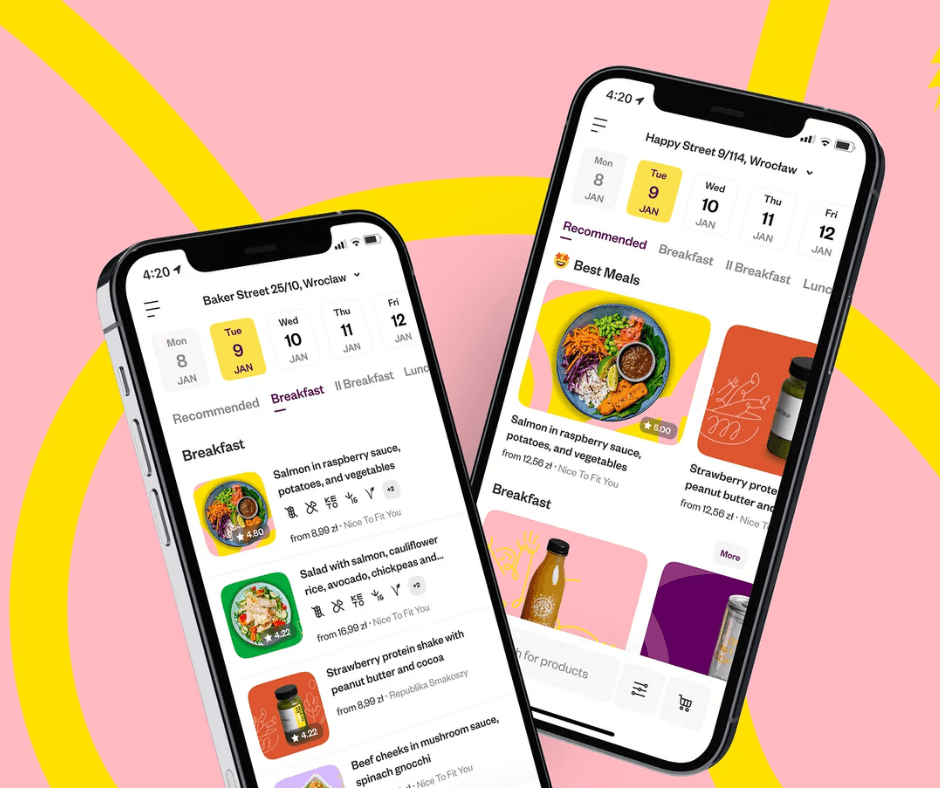
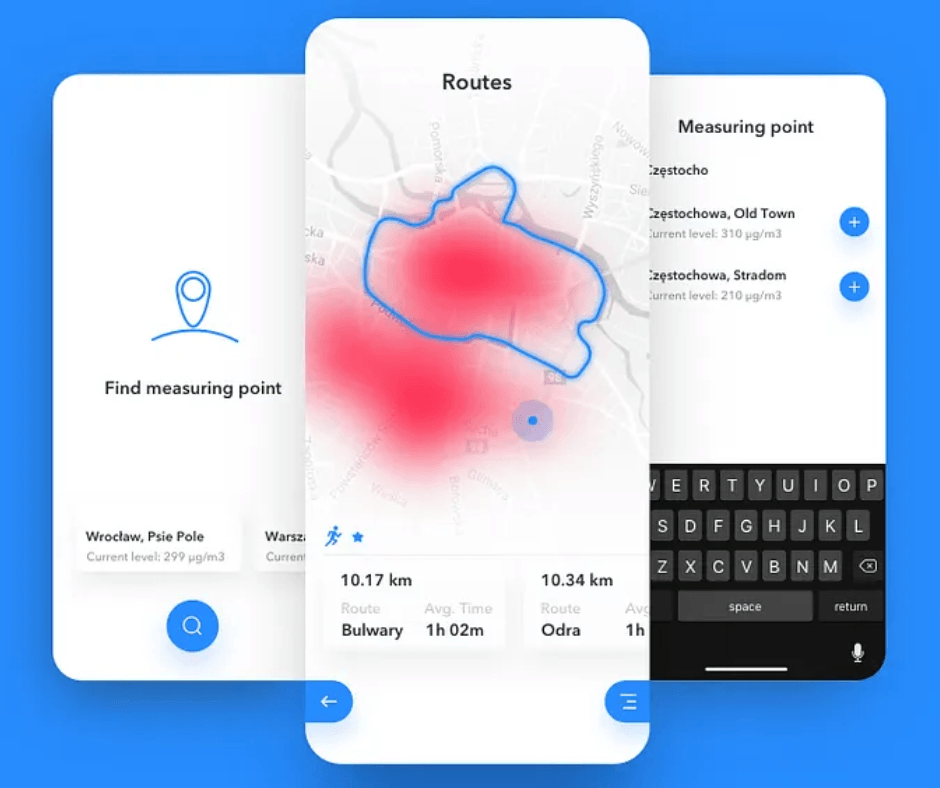
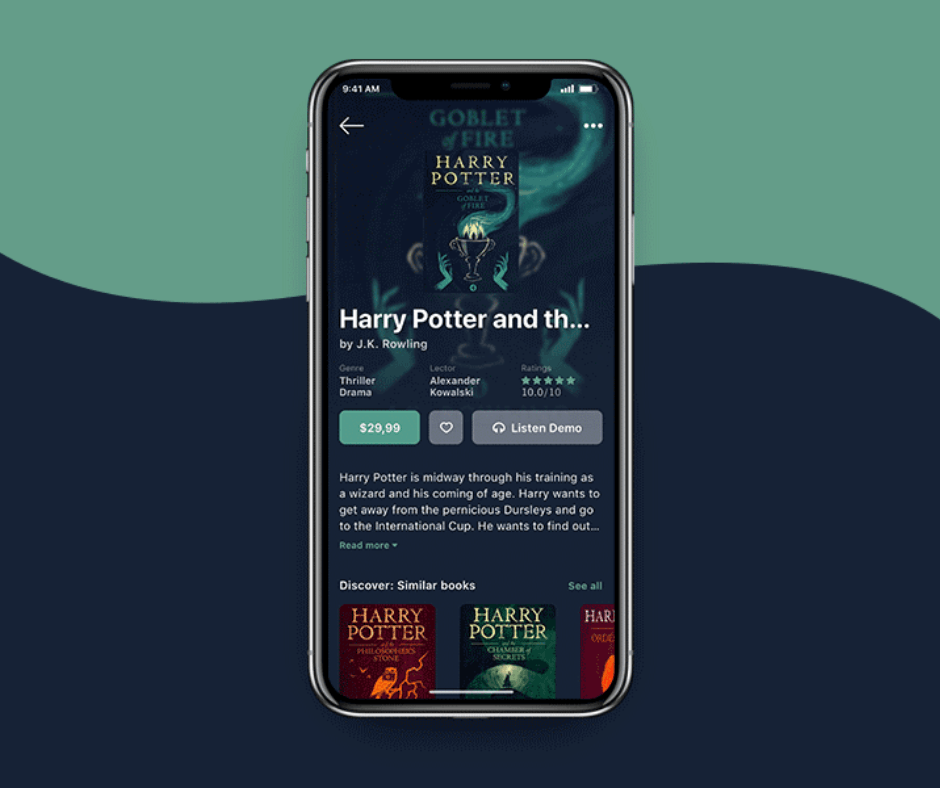
Droids On Roids, based in Wrocław, has spent more than a decade as a mobile-first studio rather than a general software house. That focus shows: every engineer on a project carries deep mobile context. They work across Flutter and native iOS and Android, and they support clients from idea validation through post-launch growth. The studio was acquired by UK group Apadmi in early 2025, which extends its reach but is worth noting if you prefer an independent partner.
Industries: IoT, M-commerce, Fintech, Healthcare.
They are a good middle ground between boutique attention and agency reliability, with a reputation for clear communication that keeps remote engagements from drifting.
Pros:
- Mobile specialists, not a web shop doing mobile on the side.
- Full product lifecycle support with strong written communication.
Cons:
- Mid-sized, so the largest enterprise programmes may stretch capacity.
- Less of an AI or data-science bench than the bigger agencies.
5. Goji Labs
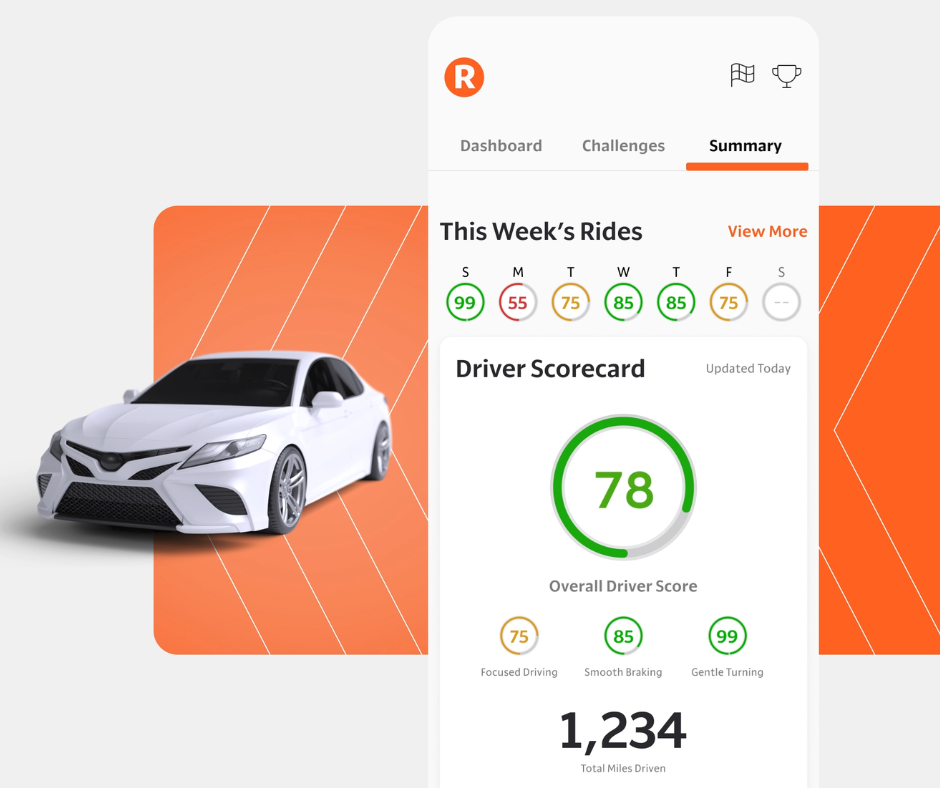
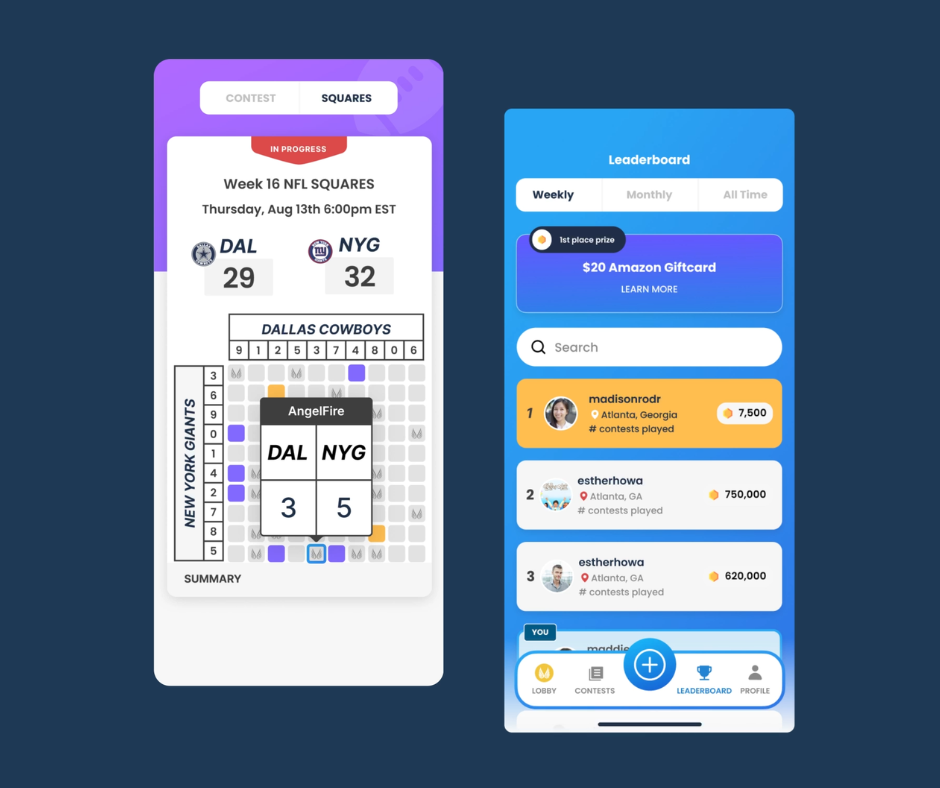
Goji Labs is a Los Angeles studio that pairs strategy, design, and engineering under one roof, with around 500 products shipped across more than 20 industries. They are a frequent pick for US startups that want a partner to challenge the brief and solve strategy gaps before they harden into technical problems.
Industries: EdTech, FinTech, HealthTech, SportsTech, Proptech, E-commerce, Nonprofit.
For a US-based buyer who wants domestic timezone alignment and senior involvement throughout, Goji Labs is a credible benchmark against the European options on this list.
Pros:
- Strategy-led, with strong project management feedback.
- Broad industry coverage and a large shipped portfolio.
Cons:
- US rates run well above European nearshore.
- Demand means lead times can be longer.
6. Rocket Farm Studios
Rocket Farm Studios is a Boston-area boutique, founded in 2008, that positions itself as a mobile app and AI consulting agency. The team is small, between 10 and 49 people, which means senior people stay involved past kickoff rather than handing off to juniors. Unlike the design-forward agencies above, Rocket Farm shows its work through case studies rather than a public design gallery.
Industries: Health & wellness, Retail, AI-driven products.
This is the firm for a US company that wants senior strategic involvement from a boutique and is willing to pay for it. Teams chasing standout visual design might pair them with a dedicated brand studio.
Pros:
- Senior involvement throughout, not just at the start.
- Transparent hourly rate and strong verified reviews.
Cons:
- Premium pricing and limited capacity given the team size.
- Design aesthetics may need a complementary partner for highly branded work.
7. Merixstudio
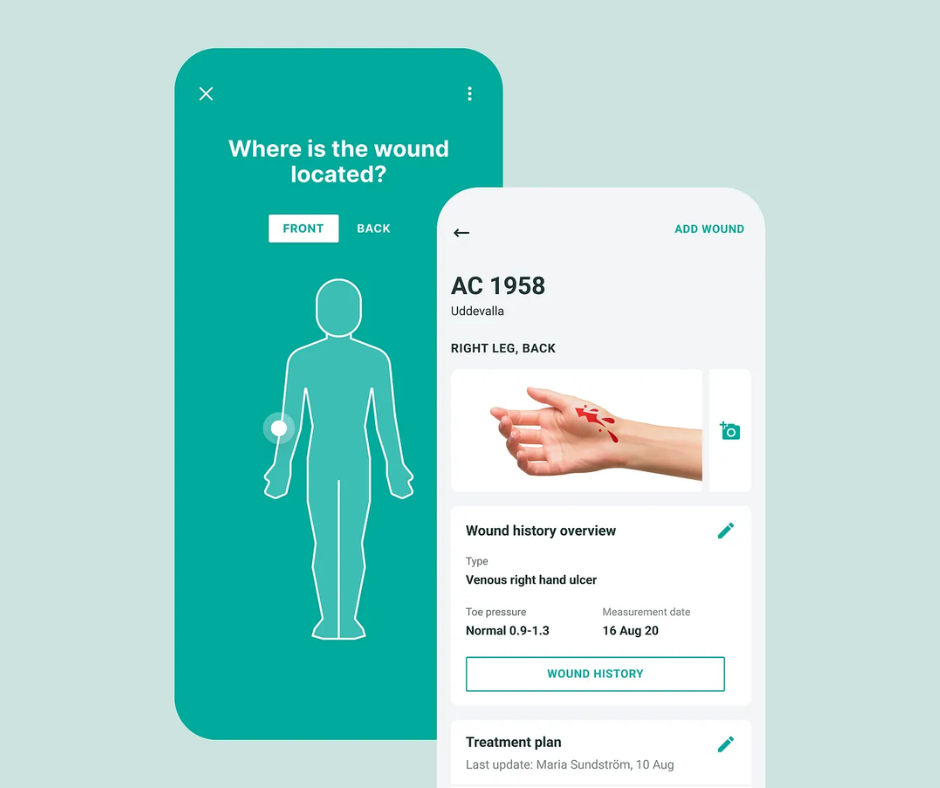
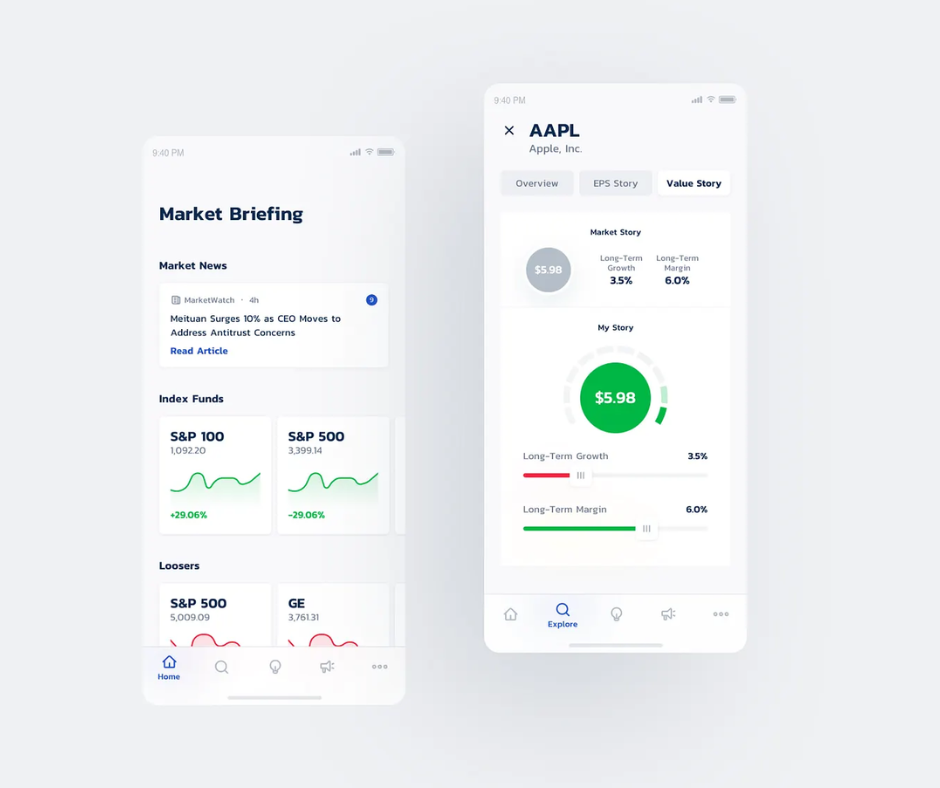
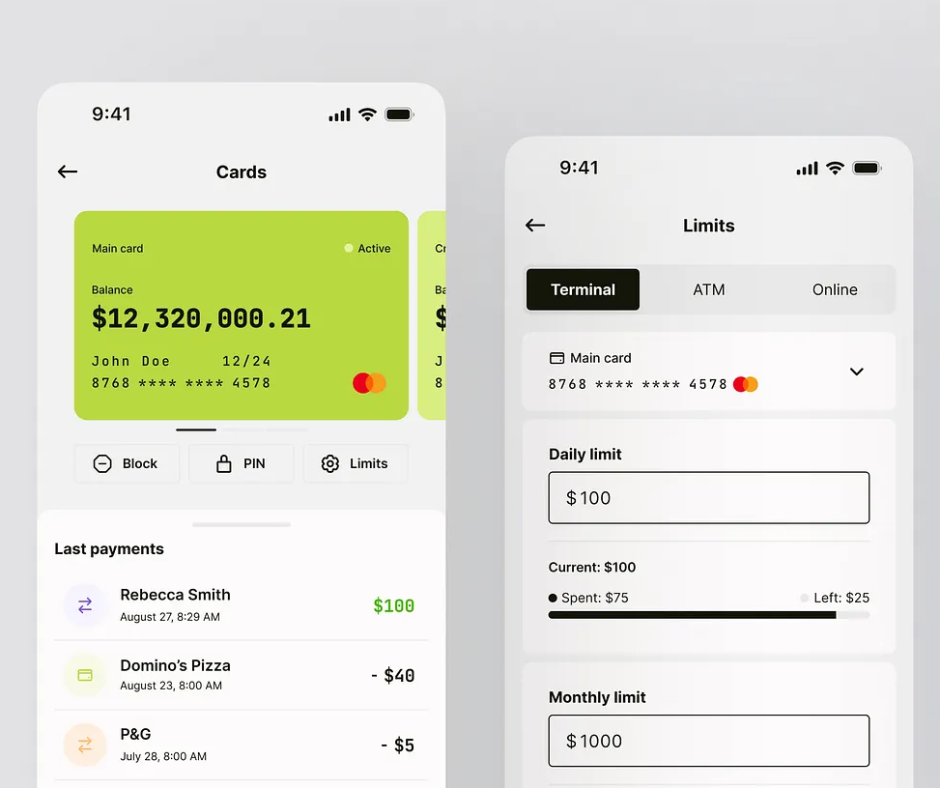
Merixstudio, based in Poznań, is one of the longer-established names here, and that longevity shows in how they handle long-term partnerships. Their teams think about maintainability and succession from the start, which is exactly what you want if the app is a core product rather than a one-off campaign. They work across React Native and Flutter.
Industries: Smart city & IoT, Fintech & crypto, Healthcare.
Pros:
- Built for durable, long-running product relationships.
- Maintainability baked into how they architect projects.
Cons:
- Less suited to a fast throwaway prototype.
- Lower public profile internationally than Miquido or Netguru.
8. Applandeo
Applandeo runs a deliberately narrow mobile-first practice out of Kraków. They do not try to cover everything from branding to backend DevOps; they do mobile across Flutter, React Native, and native iOS and Android, and they do it consistently. Their client model leans on weekly syncs and written status updates, which cuts the ambiguity that derails remote projects.
Industries: Logistics & tracking, Finance & insurance, Tourism & hospitality, Big data, New media.
Pros:
- Tight mobile specialisation with deep per-engineer context.
- Disciplined communication rhythm for distributed work.
Cons:
- Narrow remit means you may need a separate partner for heavy backend or brand work.
- Smaller scale than the enterprise agencies.
9. LeanCode
LeanCode is a Warsaw engineering house with serious Flutter credentials, including open-source contributions like Patrol and cqrs that signal real framework depth. They are the pick when architecture and code quality matter more than end-to-end design polish, so engineering-led teams tend to feel at home with them. One flagship build is CA24 Mobile, the Flutter banking app for Credit Agricole Bank Polska.
Industries: Fintech & banking, Insurance, Mobility.
Pros:
- Genuine Flutter framework expertise, evidenced in open source.
- Strong fit for architecture-heavy, technically demanding builds.
Cons:
- Less of a design-led, full-service offering.
- Best for teams that already know what they want built.
10. 3 Sided Cube
3 Sided Cube, based in Bournemouth, is an ISO-accredited UK studio known for mission-driven work, building apps that tackle problems like disaster response, blood donation, and deforestation. They have delivered for the American Red Cross, UNHCR, and UNESCO, which speaks to both their reliability and their appetite for purpose-led products. Their case studies live on their own site rather than a design portfolio platform.
Industries: Nonprofit & humanitarian, Healthcare, Environment & sustainability.
Mobile app development companies comparision table
Now that each firm has context, here are the ten mobile app development companies in one view for a quick comparison.
| # | Company | HQ / region | Team size | Best for | Industries | Indicative rate |
|---|---|---|---|---|---|---|
| 1 | Fingoweb | Kraków, PL | 50+ | Custom mobile apps with design and build in one team | Culture/media, entertainment, retail, fintech, travel, healthcare | $ |
| 2 | Miquido | Kraków, PL | 200+ | Enterprise apps with ML features | Fintech, e-commerce, healthcare, entertainment, manufacturing | $$ |
| 3 | Netguru | Poznań, PL | 400+ | Funded startups scaling fast | Fintech, e-commerce, healthcare, proptech | $$$ |
| 4 | Droids On Roids | Wrocław, PL | 50–100 | Product-focused mobile-first builds | IoT, m-commerce, fintech, healthcare | $$ |
| 5 | Goji Labs | Los Angeles, US | 50–100 | US startups wanting strategy and build | EdTech, fintech, healthtech, sportstech, nonprofit | $$$ |
| 6 | Rocket Farm Studios | Needham, US | 10–49 | Senior-led boutique US engagements | Health & wellness, retail, AI products | $$$ |
| 7 | Merixstudio | Poznań, PL | 100+ | Long-term product partnerships | Smart city/IoT, fintech/crypto, healthcare | $$ |
| 8 | Applandeo | Kraków, PL | 50–100 | Mobile-only specialist work | Logistics, finance/insurance, tourism, big data | $$ |
| 9 | LeanCode | Warsaw, PL | 50–100 | Engineering-heavy Flutter projects | Fintech/banking, insurance, mobility | $$ |
| 10 | 3 Sided Cube | Bournemouth, UK | 50–100 | Mission-driven and nonprofit apps | Nonprofit, humanitarian, healthcare, environment | $$$ |
How to choose a mobile app development agency from your shortlist?
The market map and the profiles narrow the field. To go from a shortlist of three or four mobile app development companies to a signed contract, put the same questions to each firm and watch how they answer. Vague answers are as telling as the content.
Ask every candidate:
- Which stack would you pick for this, and why? You already know your rough platform need from the market section above. A good firm reasons from your product to the right setup, whether that is a React Native development company build, native, or Flutter, rather than steering you toward whatever they staff most easily. If it is a bespoke build, frame it as custom mobile app development and see how they scope it.
- Show me case studies in my vertical. A consumer social app and a HIPAA-bound healthcare platform are different briefs. Sector experience means they already know the compliance rules and integrations, so ask for specific examples, not a general reel.
- Is design in-house or subcontracted? A handoff between a design vendor and a dev vendor is where UX intent goes to die. Prefer teams where both sit together, and use the portfolio column in the table above to check the visual bar before you even call.
- What does post-launch support look like in practice? Apps are never finished at launch; the OS and framework keep moving. Confirm whether support is a structured retainer or a best-effort afterthought.
- What is your rate band and how do you scope? A firm that will not give a range before a discovery call is a firm that prices by how much it thinks you will pay.
A few red flags worth naming, because they show up again and again:
- A rate hidden behind a sales call - transparency on price usually tracks transparency everywhere else;
- A portfolio with no cons, ever - every real engagement has trade-offs; a firm that only shows wins is selling, not partnering.
- Design shown as an afterthought - if the case studies are all architecture diagrams and no interfaces, and design is not in-house, the app may work but feel like it.
- The lowest bid by a wide margin - deep discounts usually reappear as communication overhead, rework, or a junior team learning on your budget.
FAQ about mobile app development companies
How much does it cost to hire a mobile app development company in 2026?
It depends mostly on complexity. A simple MVP can land in the low tens of thousands, while a feature-rich product with custom backend, integrations, and compliance requirements commonly runs from roughly $10,000 to $300,000 or more. Region matters too: US and UK rates sit well above European nearshore for comparable work. Get a scoped estimate rather than relying on a generic figure.
What is the difference between native and cross-platform app development?
Native means building separately for each platform using its own language, Swift or Objective-C for iOS and Kotlin or Java for Android, which gives the best performance and deepest platform access. Cross-platform uses one codebase across both:
- React Native – JavaScript-based and backed by Meta, with the largest talent pool and easy reuse of existing web and React code. The pragmatic default for most cross-platform builds.
- Flutter – Dart-based and backed by Google, a strong pick for design-led apps with heavy custom animation.
Cross-platform is usually faster and cheaper to build and maintain; native wins for the most performance-sensitive or hardware-dependent apps.
How do I choose the right mobile app development company?
Start by deciding your platform and scope, then filter firms on four things: mobile-specific technical depth, experience in your vertical, whether design and post-launch support are handled in-house, and pricing transparency. Shortlist three or four, ask each for case studies in your sector, and treat a vague or hidden rate as a warning sign.
Should I hire a local agency or a nearshore team?
A local agency offers the easiest collaboration and full timezone alignment, usually at the highest cost. Offshore is cheapest but carries communication and timezone friction. Nearshore, such as a European team working with UK or US clients, has become the popular middle ground:
- Cost – meaningfully below US and UK rates.
- Quality – engineering on par with Western agencies.
- Overlap – enough shared working hours to keep momentum.
How long does it take to build a mobile app?
A straightforward MVP with AI assistance typically takes two weeks to one month from kickoff to launch. More complex products with custom backends, third-party integrations, or regulatory requirements can run two to six months or longer. Cross-platform builds are generally faster than maintaining two native codebases. The honest answer from any good agency will hinge on your feature list, not a fixed calendar.